
Top Universities in the World for Masters in 2025: Your Complete Guide
Introduction:
Pursuing a master’s degree is a life-changing decision. It’s not just about adding another qualification to your resume—it’s about deepening your knowledge, building global connections, and preparing for leadership roles in your career. If you’ve ever wondered which institutions offer the best master’s programs worldwide, you’re in the right place.
In this guide, we’ll explore the top universities in the world for masters in 2025, the key factors you should consider when choosing a university, the career opportunities awaiting you after graduation, and real-world examples of how a master’s degree can open doors. You’ll also find practical tips to boost your admission chances and make your dream a reality.
Why Pursue a Master’s Degree?
A master’s program offers more than academic expertise—it gives you an edge in today’s competitive job market.
-
Career advancement – Many leadership and specialized roles require a postgraduate qualification.
-
Higher salaries – According to the U.S. Bureau of Labor Statistics, master’s degree holders earn 18% more on average than those with only a bachelor’s degree.
-
Global exposure – Top universities attract students from all over the world, giving you international networking opportunities.
-
Specialization – A master’s allows you to dive deeper into a specific field, whether it’s business, engineering, data science, or public health.
Top Universities in the World for Masters (2025)
Here are some of the leading universities across the globe offering outstanding master’s programs:
1. Harvard University (USA)
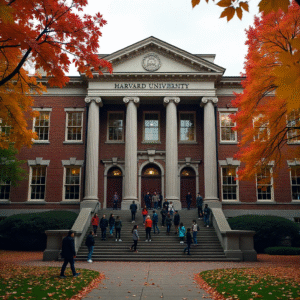
Harvard’s master’s programs in business, law, education, and public policy are world-renowned. The network you build here extends globally, opening doors in almost every industry.
💡 Example: A Harvard master’s in Public Health has helped alumni influence healthcare policy worldwide.
2. Stanford University (USA)
Stanford stands out for its master’s programs in engineering, computer science, and entrepreneurship. Its proximity to Silicon Valley means you’re surrounded by start-up energy and innovation.

3. University of Cambridge (UK)
With a history spanning centuries, Cambridge offers rigorous master’s programs in sciences, humanities, and technology. Its research-driven environment prepares you for academic and industry leadership.
4. University of Oxford (UK)
Oxford provides not only academic excellence but also a strong focus on global impact. Master’s programs in international relations, economics, and medicine are particularly prestigious.
5. Massachusetts Institute of Technology (MIT), USA
MIT is ideal if you’re drawn to technology, AI, and engineering. Its master’s programs emphasize innovation and research, often in collaboration with top global companies.

6. ETH Zurich (Switzerland)
Europe’s leading university for STEM fields, ETH Zurich excels in engineering, natural sciences, and architecture. Many graduates secure roles in Europe’s top research institutes and industries.
7. National University of Singapore (NUS)
NUS offers globally competitive master’s programs in business, engineering, and public policy, making it one of Asia’s top choices for international students.
8. University of Melbourne (Australia)
Australia’s top-ranked university offers master’s programs in law, medicine, and environmental sciences, attracting students from across the Asia-Pacific region.
9. University of Toronto (Canada)
Canada is a growing hub for postgraduate studies, and the University of Toronto leads the way in computer science, business, and public health.
10. Tsinghua University (China)
Frequently called the “MIT of China,” Tsinghua University excels in fields such as engineering, economics, and environmental science, earning increased acknowledgment on an international scale.
Key Factors to Consider When Choosing a University for Masters
Choosing a university for your master’s is not only about global rankings. Consider:
-
Program Reputation – Is your desired field strong at this university?
-
Research Opportunities – Will you be able to contribute to cutting-edge projects?
-
Networking – Does the school have global partnerships or alumni in your industry?
-
Location – Do you prefer the U.S., Europe, Asia, or Australia for cultural and career opportunities?
-
Cost & Scholarships – Can you secure financial aid or assistantships?
-
Career Support – Does the university have strong industry connections and placement services?
Career Opportunities After Studying Masters at a Top University
A master’s from a prestigious university unlocks powerful career paths:
-
Corporate Leadership – Many Fortune 500 executives hold master’s degrees.
-
Academia & Research – If you’re passionate about knowledge, universities offer PhD pathways after your master’s.
-
Specialized Professions – Roles in medicine, law, AI, and public policy often require advanced degrees.
-
International Organizations – Graduates from Oxford, Cambridge, and Harvard often work with the UN, World Bank, or NGOs.
📊 Statistic: According to QS Graduate Employability Rankings, graduates from top universities are 3x more likely to secure jobs within six months of finishing their studies.
Real-World Example
Take Satya Nadella, CEO of Microsoft. After earning his master’s in computer science from the University of Wisconsin–Milwaukee, he climbed the ranks at Microsoft and eventually led the company into a new era of AI and cloud computing. His story shows how a master’s can accelerate your career trajectory.
How to Boost Your Admission Chances
Getting into these universities is competitive, but you can improve your chances:
-
Build a strong academic record – A high GPA is often the first requirement.
-
Gain experience – Work or internships in your field show commitment.
-
Showcase projects – Highlight independent research, case studies, or relevant projects.
-
Craft a compelling Statement of Purpose (SOP) – Tell your story authentically.
-
Prepare for tests – GRE, GMAT, or IELTS scores matter.
-
Request strong recommendations – From professors or employers who know your potential.
Practical Tips for Future Master’s Students
-
Start researching early (at least a year before applications).
-
Explore scholarships such as Fulbright, Chevening, or Erasmus+.
-
Connect with alumni on LinkedIn to learn from their journey.
-
Attend university webinars and open days for inside insights.
-
Always align your choice with long-term career goals, not just rankings.
Conclusion: Your Master’s Journey Awaits
Pursuing a master’s at one of the top universities in the world can be a gateway to success, knowledge, and a global career. Whether you choose Harvard, Cambridge, NUS, or Melbourne, what matters most is aligning the program with your passion and professional goals.
🎓 The world needs highly skilled, globally minded professionals like you. Take this as your moment to dream big, prepare well, and step confidently into the next chapter of your academic journey.
✨ Next Step: Begin shortlisting universities today, explore funding opportunities, and connect with alumni to guide your application journey. Your dream master’s program is closer than you think!