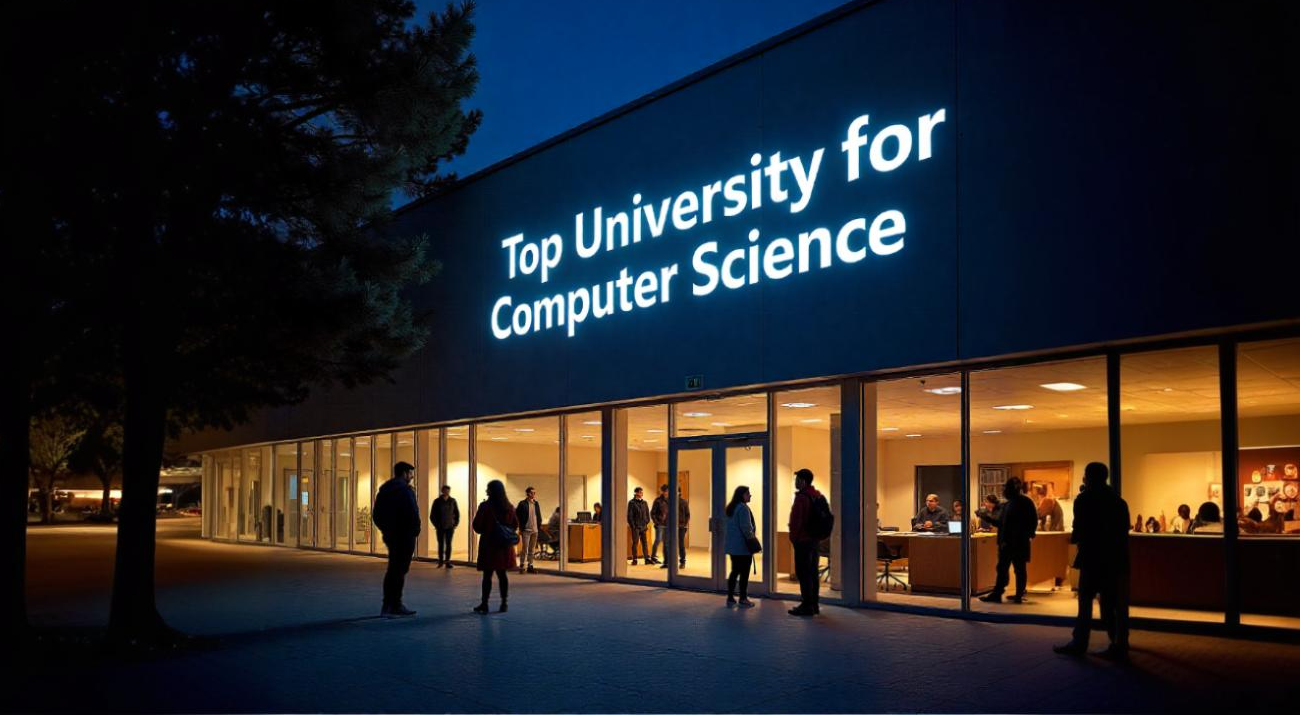
Top Universities in the World for Computer Science: A Complete Guide for Students
Introduction: Why Computer Science Matters More Than Ever
Think about how much your life depends on technology. From the smartphone in your hand to the apps that connect you with friends, to AI tools that are reshaping industries — all of this is powered by computer science. It’s not just a subject; it’s the backbone of the digital era.
That’s why choosing the right university for computer science is such a big decision. The right program doesn’t just give you a degree; it prepares you to innovate, problem-solve, and thrive in one of the fastest-growing fields worldwide.
If you’ve been asking yourself: “Which are the top universities in the world for computer science?” — you’re in the right place. This guide explores the leading institutions, what makes them stand out, and how you can pick the one that best suits your dreams.
What Makes a University World-Class in Computer Science?
Before we dive into rankings, let’s look at what separates the best from the rest:
-
Cutting-Edge Research: AI, cybersecurity, quantum computing, and data science.
-
Industry Connections: Opportunities to intern with leading tech companies like Google, Microsoft, or Apple.
-
Global Recognition: A degree from a prestigious university opens doors worldwide.
-
Alumni Success: Many graduates from top schools have founded billion-dollar startups or lead at global companies.
-
Practical Experience: Access to labs, coding projects, and innovation hubs.
-
Diversity: Exposure to international classmates broadens your worldview.
When these factors come together, you don’t just study computer science — you live it.
Top Universities in the World for Computer Science
1. Massachusetts Institute of Technology (MIT) – USA
MIT has long been the gold standard for computer science. Its Computer Science and Artificial Intelligence Laboratory (CSAIL) is one of the most respected in the world.
-
Strengths: Artificial intelligence, robotics, and data science.
-
Highlight: Alumni have founded companies like Dropbox and Intel.
-
Why choose it: If you dream of working on breakthrough technologies that change how we live and work.
2. Stanford University – USA
Located in Silicon Valley, Stanford is practically neighbors with tech giants like Google, Meta, and Apple.
-
Strengths: Entrepreneurship, AI, and machine learning.
-
Highlight: Alumni founded Google, WhatsApp, and LinkedIn.
-
Why choose it: If you want to blend computer science with startup culture and innovation.
3. Carnegie Mellon University (CMU) – USA

CMU is often ranked as the number one computer science school globally. It is especially known for its strength in cybersecurity and robotics.
-
Strengths: Cybersecurity, human-computer interaction, and software engineering.
-
Highlight: The first university to launch a dedicated school for computer science.
-
Why choose it: If you want rigorous technical training with practical applications.
4. University of California, Berkeley – USA
UC Berkeley offers one of the most prestigious programs in computer science, with a focus on open-source innovation.
-
Strengths: Cloud computing, algorithms, and AI research.
-
Highlight: Birthplace of open-source frameworks like BSD Unix.
-
Why choose it: If you want to combine academic excellence with a vibrant student community.
5. University of Cambridge – UK
Cambridge has a long history of excellence in mathematics and computing.
-
Strengths: Theoretical computer science, algorithms, and machine learning.
-
Highlight: Alumni include pioneers like Alan Turing, the father of modern computing.
-
Why choose it: If you value tradition combined with world-class research opportunities.
6. University of Oxford – UK

Oxford’s computer science department is rapidly growing, with particular focus on AI ethics and cybersecurity.
-
Strengths: AI, natural language processing, and data privacy.
-
Highlight: Strong emphasis on research-led teaching.
-
Why choose it: If you want to study computer science while being part of one of the world’s oldest universities.
7. ETH Zurich – Switzerland
ETH Zurich is Europe’s leading tech university and consistently ranks among the best.
-
Strengths: Robotics, machine learning, and scientific computing.
-
Highlight: Albert Einstein studied here — a reminder of the school’s innovative legacy.
-
Why choose it: If you’re looking for excellence in both science and engineering with a European edge.
8. National University of Singapore (NUS) – Singapore
NUS has become Asia’s strongest contender in computer science.
-
Strengths: Big data, software systems, and fintech.
-
Highlight: Strong ties with Asia’s growing tech ecosystem.
-
Why choose it: If you want to study computer science in a city that’s both modern and globally connected.
9. University of Toronto – Canada
Toronto is a hub for artificial intelligence research, and the university is at the center of it.
-
Strengths: Deep learning, AI, and theoretical computer science.
-
Highlight: Professor Geoffrey Hinton, a pioneer in deep learning, taught here.
-
Why choose it: If you’re aiming for a career in AI and machine learning.
10. Tsinghua University – China
Tsinghua has rapidly risen as one of the world’s top universities in technology and innovation.
-
Strengths: Artificial intelligence, big data, and cybersecurity.
-
Highlight: Partnerships with companies like Alibaba and Huawei.
-
Why choose it: If you want to combine global knowledge with exposure to Asia’s booming tech sector.
Key Factors to Consider When Choosing a Computer Science University
Finding the best university for computer science isn’t just about looking at global rankings. Instead, you need to think about what works best for your career goals, budget, and lifestyle. Let’s break down the key things you should keep in mind:
1. Research Opportunities
If you are passionate about AI, machine learning, or cybersecurity, choose a university that has dedicated research labs and projects in these areas. For instance, MIT’s CSAIL (Computer Science and Artificial Intelligence Laboratory) is one of the most influential research centers worldwide. Students there get opportunities to work on projects that shape the future of technology.
2. Industry Connections
Top universities often have strong ties with big tech companies like Google, Microsoft, Amazon, and Apple. Stanford, for example, has a long history of startups launched by its students and alumni, many of which grew into billion-dollar companies. Being in such an ecosystem gives you an unmatched networking advantage.
3. Faculty and Mentorship
The quality of professors makes a huge difference. Experienced faculty members can mentor you, guide your research, and connect you with opportunities in both academia and industry. For example, Harvard professors frequently collaborate with major tech organizations, giving students exposure to real-world problem-solving.
4. Location and Tech Ecosystem
Location matters more than you might think. Being in Silicon Valley, Boston, or London can open doors to internships and jobs that may not be as accessible in other regions. If you want to stay close to the heart of innovation, consider universities near tech hubs.
5. Scholarships and Financial Aid
Studying at world-class universities can be expensive, but many of them offer financial aid and merit-based scholarships. For instance, the University of Toronto provides multiple funding options to international students pursuing computer science.
Career Opportunities After Studying Computer Science at a Top University
One of the biggest advantages of studying at a prestigious institution is the career path it opens for you. Employers often recognize degrees from top universities as a sign of quality training, problem-solving ability, and global exposure.
Roles You Can Pursue
-
Software Engineer – Working with leading tech firms to build applications, systems, and platforms.
-
Data Scientist – Analyzing data to provide insights that drive business and product decisions.
-
AI/ML Engineer – Building artificial intelligence tools and machine learning models for industries like healthcare, finance, and robotics.
-
Cybersecurity Analyst – Protecting organizations from cyber threats and attacks.
-
Academic or Researcher – Contributing to the field through teaching or groundbreaking research.
Real-World Example
Graduates from Carnegie Mellon University’s School of Computer Science often land jobs at companies like Google DeepMind, OpenAI, and Meta. Many also start their own ventures in AI-driven startups.
How to Boost Your Admission Chances
Getting into top universities is highly competitive. However, you can increase your chances with the right approach.
Step-by-Step Guide
-
Build a Strong Academic Record – Focus on math, programming, and problem-solving subjects.
-
Work on Projects – Showcase coding skills with apps, websites, or open-source contributions.
-
Internships or Competitions – Participate in hackathons or coding competitions to strengthen your profile.
-
Craft a Personal Statement – Tell your story honestly. Explain why you love computer science and how you want to make an impact.
-
Get Recommendation Letters – Ask professors or professionals who know your strengths well.
-
Prepare for Standardized Tests – Depending on the university, you may need SAT, GRE, or language proficiency exams like IELTS or TOEFL.
💡 Pro tip: Even if you don’t get into the very top schools, remember that your skills, projects, and persistence matter more than the name of your university. Many successful computer scientists did not study at Ivy League institutions.
Real-Life Applications: How Top Computer Science Programs Shape Careers
-
A student at Stanford might intern at Google in their second year and then launch a startup with classmates.
-
A CMU graduate could move into cybersecurity, working for global firms like IBM or the NSA.
-
A NUS alum may lead fintech innovations in Asia’s growing digital economy.
These schools don’t just teach you theory — they connect you directly with the future of work.
Practical Tips for Choosing the Right University
With so many world-class options, how do you pick one that’s right for you?
1. Identify Your Career Goals
Do you see yourself in AI, robotics, or cybersecurity? Different schools excel in different areas.
2. Consider Location
Living in Silicon Valley is different from studying in Singapore or Zurich. Think about where you’d thrive both academically and personally.
3. Look at ROI
Check tuition fees versus average starting salaries. For example, MIT graduates often earn six figures within two years.
4. Check Industry Partnerships
Some universities give you direct access to internships and research with tech companies.
5. Explore Financial Aid
Top universities offer scholarships and funding, so don’t let cost discourage you.
Encouragement: Your Journey in Computer Science Is Unique
It’s easy to get overwhelmed by rankings and big names. But here’s the truth: you don’t need to be at MIT or Stanford to succeed. Many people build amazing careers by leveraging opportunities at universities that match their personal strengths and passions.
What matters most is your willingness to learn, your curiosity, and your drive to solve problems. Remember, computer science is a field where talent, creativity, and persistence can take you further than any single university name.
Conclusion: Take the First Step Toward Your Future
The top universities in the world for computer science — from MIT and Stanford to NUS and Tsinghua — offer you more than just a degree. They give you the knowledge, skills, and global network to thrive in the digital age.
But the best university is the one that aligns with your goals and values. Take time to research, reach out to alumni, and plan your applications wisely.
👉 Next Step: Start by shortlisting universities that fit your career vision. Explore their programs, check application deadlines, and prepare for admission tests. Your future in computer science is waiting — and it begins with the choices you make today.